Transformation Has Always Been the Work

Transformation Has Always Been the Work

Transformation Has Always Been the Work

The pace of change in enterprise technology continues to accelerate. AI is now a central part of that conversation, shaping how organisations think about growth, efficiency and scale.

What stays consistent, however, is where transformation actually happens.

It does not happen in the tool, the model or the architecture alone.

Transformation happens in how organisations define problems, redesign processes, govern execution and measure outcomes.

Starting with the Business

The most effective programmes still follow a simple principle: start with the business. Identify where value sits and understand what needs to change. Then apply the appropriate technology in a controlled and structured way.

This approach has held across every wave of enterprise change, and AI is no different. It extends capability, but delivering outcomes still takes the same discipline.

In regulated environments, that discipline must be visible, evidenced and accountable.

Where Value Becomes Observable

As organisations scale AI within core platforms and operations, attention is moving to where value can be clearly observed.

Transformation becomes tangible when data is governed, processes are aligned, execution is controlled and outcomes are measured.

The focus shifts from activity to performance.

Deployment gives way to evidence.

Capability turns into enterprise value.

Embedding Change That Lasts

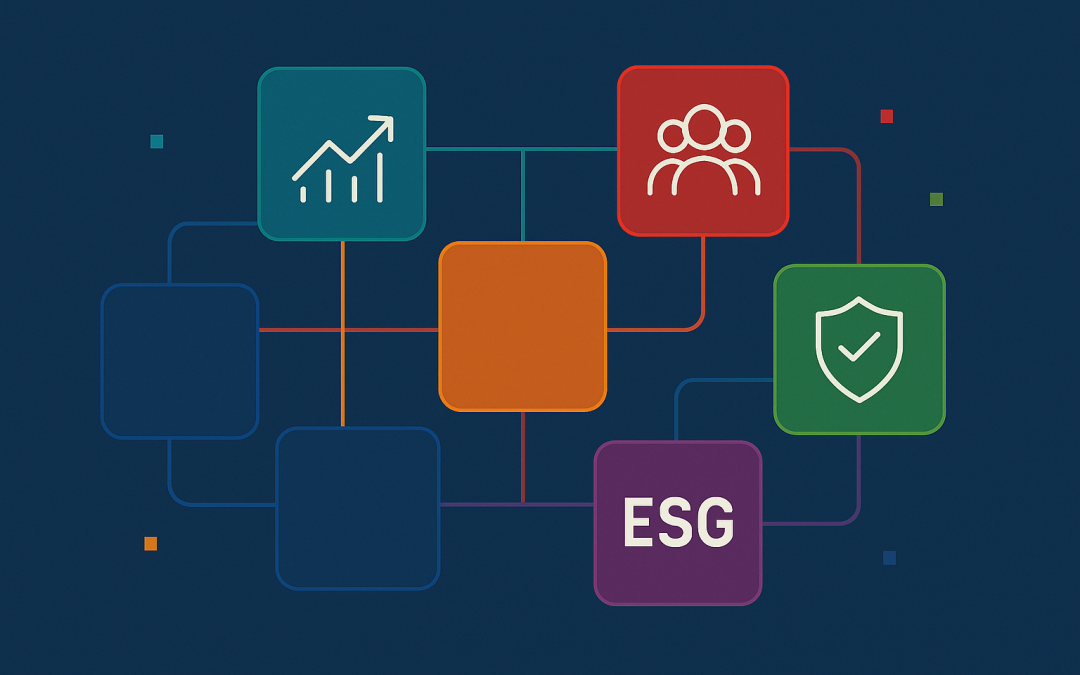
Sustained transformation has always depended on integration across data, people, process, technology and controls.

AI strengthens the need for that integration. As it becomes embedded in decisions and operations, the need for clarity, traceability and governance grows.

Organisations that approach this with structure and discipline can scale with confidence.

Those that anchor transformation in measurable outcomes build systems that endure.

Transformation Trends. It Always Has.

Every generation of technology brings new levers and new opportunities.

What stays constant is the need to harness those levers within a governed operating model that connects strategy, execution and value.

This is where transformation delivers.

It is also where enterprise value becomes assured.

Value, Assured.

The Data Operating Model of Transformation

The Data Operating Model of Transformation


From Data Operating Model to Measurable Enterprise Value
Why assurance completes large-scale transformation

1. A Structural Gap in Transformation Ownership

Large organisations continue to invest heavily in transformation: platforms, programmes, delivery partners and governance frameworks.

Many initiatives make good progress, yet sustaining confidence in outcomes at scale is still hard.

The cause is rarely intent or capability.


It is a structural gap: transformation itself is rarely operated through a data operating model with a clear owner.

What usually exists instead are well-meant but disconnected parts:

• target operating models defined once and left static

• milestone-driven PMOs

• risk and compliance teams working alongside delivery

• data teams engaged downstream

• assurance brought in at key checkpoints rather than all the time

On their own, these parts add value.


Together, they generate activity without giving leaders sustained confidence in outcomes.

2. Data Inc’s Data Operating Model: The Connecting Layer

Data Inc closes this gap by treating transformation itself as a data-driven operating system.

Our Data Operating Model defines:

• how data is created, governed and consumed across the transformation lifecycle

• how controls generate evidence as a natural by-product of delivery

• how risks, decisions and outcomes stay traceable through data

• how governance operates continuously rather than after the event

In this model, data is more than an output of transformation.


Data is the means by which transformation is run, controlled and measured.

3. Why Assurance Depends on a Data Operating Model

Conventional assurance assumes that a stable operating model is already in place.

It is typically designed to:

• sample evidence once delivery milestones have passed

• reconcile reports across functions

• check that plans set earlier in the lifecycle were followed

Without a shared data operating model:

• assurance becomes reactive

• insights arrive late

• escalation relies on interpretation rather than evidence

• confidence is driven by narrative rather than signals

As a result, assurance is often experienced as:

• a reporting obligation

• a checklist exercise

• a compliance overlay

4. Assurance as an Operating Mechanism, Not an Overlay

Data Inc’s Transformation Assurance Operating Model is the assurance side of the Data Operating Model, built into delivery rather than applied on top of it.


It is how the Data Operating Model is enforced, evidenced and trusted.

Our assurance IP:

• builds control logic straight into the transformation lifecycle

• makes sure data flows, evidence and decision rights exist by design

• gives an early, independent signal on whether outcomes will be met

• creates an auditable thread from intent to execution to BAU


Assurance is how the data operating model is put to work.

5. Moving from Activity to Confidence

By unifying data, governance, controls and delivery in one system, Data Inc helps organisations move:

• from reporting to early signals

• from milestones to outcomes

• from opinion to evidence

• from assumption to confidence

Leaders can then intervene earlier, course-correct decisively and defend outcomes clearly, both internally and with regulators.

6. How This Translates into Enterprise Value

When transformation is executed through a working data operating model:

• risks show up early, while they can still be managed

• controls produce evidence all the time

• value is measured as it is created

• assurance stays independent and defensible

• delivery partners are aligned to outcomes, not activity

This enables organisations to:

• protect investment

• reduce regulatory exposure

• accelerate value realisation

• and make transformation repeatable

7. Why This Capability Differentiates Data Inc

Many firms optimise for delivery capacity.


Data Inc optimises for evidenced confidence that outcomes will be met at scale.

Because our assurance model is anchored in a data operating model:

• it is independent of delivery vendors

• it scales through IP, not headcount

• it aligns incentives to risk reduction and outcomes

• it is designed to stand up to regulatory scrutiny

In practice, the model runs inside the programme itself.


It works as an operating system for transformation.


Data Inc helps enterprises build and assure the data operating model that makes transformation measurable and defensible.

The Hidden Gap That Derails Enterprise Transformation

The Hidden Gap That Derails Enterprise Transformation


The Visibility Gap in Enterprise Transformation:
Why Insight, Not Technology Alone, Determines Success

In every sector, from banking, healthcare, energy and life sciences to logistics and public services, organisations are spending heavily on transformation. New platforms, modern operating models, automation, new governance and a changing workforce are reshaping how enterprises operate.

Yet the same pattern keeps showing up across programmes: change is delivered, but leaders often lack a clear, connected view of how the changed business is doing in practice.

Systems go live, processes are made standard and controls are made stronger. But insight into outcomes still rests on static reports, stand-alone spreadsheets or late updates to management. The transformation moves on, yet its value is still hard to prove in real time.


The gap that matters now is whether leaders can see what transformation is delivering.

A Common Pattern in Large-Scale Transformation

Across industries and operating models, more and more organisations see the need for a real-time, connected view of enterprise performance after transformation.

Where this layer of visibility is still taking shape, some common traits appear:

  • Distributed data: signals on operations are spread across platforms, teams and business units.
  • Inconsistent performance measures: KPIs are defined locally rather than across the enterprise.
  • Limited end-to-end insight: progress can be seen, but the impact on value, compliance and resilience is harder to see.
  • Delayed exception visibility: issues surface through reporting cycles rather than in real time.
  • Manual benefits tracking: savings and gains in efficiency are tracked offline or after the fact.

Without an integrated layer of visibility, leaders respond to events later than they should.

Why Visibility Is Central to Realising Value

Without a real-time performance layer, a transformation keeps moving, but its direction, pace and safety are harder to judge.

When insight is fragmented or delayed, organisations struggle to:

  • Measure improvement: shorter cycle times, higher throughput and gains in efficiency are hard to validate.
  • Strengthen compliance: control breaches and patterns of exceptions come to light late.
  • Track adoption: evidence of workforce uptake of new processes and systems stays anecdotal.
  • Realise benefits: forecast savings and synergies cannot be reconciled to the general ledger without manual work, so Finance cannot sign them off.
  • Optimise continuously: improvement opportunities lack a timely signal.

Across sectors, the lesson is the same: when transformation performance is visible, value can be measured and acted on.

A Structural Pattern: Transformation Outpacing Measurement

In finance operations, supply chains, customer journeys, ESG programmes, risk functions and enterprise platforms, organisations often upgrade systems faster than the performance architecture around them.

Many enterprises end up transformed but still measuring performance with legacy methods.

Leaders can see systems, processes and policies, but their insight into bottlenecks, compliance behaviour and the flow of value is only partial.

When the base for visibility grows alongside delivery, outcomes grow with it.

How a Data-to-Value Layer Elevates Enterprise Performance

Transformation is mature when rollout goes hand in hand with continuous measurement. With a connected, governed data-to-value layer, organisations gain real-time visibility and accountability across the enterprise.

A strong performance layer tends to include:

  • Integrated data pipelines: linking core platforms, workflows and control systems into one shared performance model.
  • Standardised KPIs: the same definitions for efficiency, compliance, exceptions, value and adoption.
  • Executive performance views: one combined view of performance, risk and benefits.
  • Early-warning signals: automatic spotting of anomalies and bottlenecks.
  • Benefits tracking: forecast value against value realised, reconciled to Finance sources and signed off by Finance.
  • Governed semantic models: covering lineage, ownership and auditability.

This marks the shift from transformation activity to enterprise value.

The Real Differentiator: Visibility at Scale

What now sets enterprises apart is their ability to see and manage performance across the transformed organisation.

Visibility brings structure: trusted data, governed insight, measurable outcomes and accountable execution.

Transformation value becomes:

  • Measurable
  • Actionable
  • Scalable

This is where Data Inc focuses: helping organisations build the data foundations and performance architecture that turn strategy into visible, governed value.

Ready to Make Transformation Value Visible?

Talk to Data Inc about building the connected data foundations and performance layers that make transformation value transparent and assured.


Transformation succeeds when value is visible, and when visibility is designed in from the start.

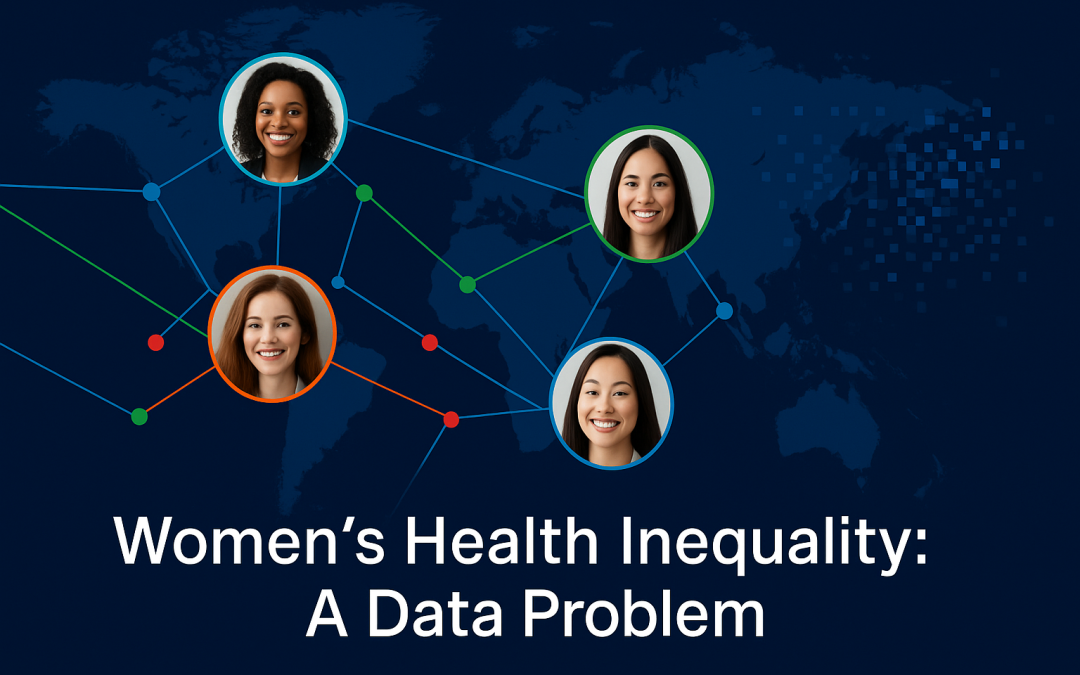
Women’s Health Inequality-a Data Problem

Women’s Health Inequality-a Data Problem

The Global Cost of Gaps in Women’s Health Data, and Why Equity Requires Better Data, Not Just Better Care

Across the world, women’s health is receiving more attention than ever, from maternal mortality and reproductive health to chronic disease and menopause. Yet one foundational issue quietly undermines policy, programmes and innovation: the data behind women’s health is incomplete, inconsistent and unrepresentative.

The problem is most severe for women from minority ethnic and marginalised communities. Their health is under-researched, their outcomes under-reported, and their data often misclassified or missing entirely. Health systems end up making decisions with only part of the picture, optimising for averages rather than for people.

In women’s health, the divide that decides equity is less about access or investment than about data versus disorder.

The Hidden Crisis: Inadequate and Uneven Women’s Health Data

Across health systems, research institutions and public-health bodies, a common pattern appears: women’s health data is sparse, fragmented and inconsistent. For many communities, it is simply absent.

  • Missing ethnicity data: large populations of women are recorded under broad labels (“Asian”, “Black”, “Indigenous”) that hide meaningful differences.
  • Under-representation: minority ethnic women are often left out of clinical trials and health research, so the evidence does not apply to them.
  • Poor data quality: misclassification and inconsistent recording distort the picture of risk, access and outcomes.
  • Lack of life-course linkage: health data is rarely linked across childhood, the reproductive years and menopause, which hides long-term patterns.

When the data is flawed, the insight is flawed. And when the insight is flawed, policy, investment and intervention cannot deliver equity.

Why the Data Gap Becomes a Health Gap

Poor women’s health data builds inequity into the system. Without accurate, granular data set in context, health systems cannot:

  • Detect inequalities: disparities in maternal mortality, cardiovascular conditions or chronic disease may stay hidden.
  • Target interventions: programmes designed “for women” risk reinforcing inequalities if they overlook ethnic and cultural differences.
  • Train models safely: AI and digital health tools trained on biased data magnify that bias.
  • Allocate resources effectively: funding flows to what is measured; if groups are not measured, they are not put first.

In every country and every system, the same conclusion appears: data inequity becomes health inequity.

The Overall Picture: A System Built on Partial Visibility

Much of the published research, clinical practice and public-health reporting points the same way. Women’s health data, above all for minority ethnic women, is fragmented and analytically shallow. Key patterns stay hidden, and chances for prevention are missed time and again.

Health systems optimise for the groups they can see clearly and overlook the rest.

And until the data foundations change, outcomes will not change in any real way.

How a Data-Driven Approach Can Transform Women’s Health Equity

More clinics, diagnostics and funding reach the right women only when the data shows who is being missed, which is why equity depends on better data. When data becomes trusted, complete and set in context, health systems gain a new level of visibility and precision.

  • Standardised ethnicity capture: consistent, self-reported categories that are culturally relevant and can be mapped across countries.
  • Granular subgroup insight: moving beyond broad racial groups to real detail at population level.
  • Advanced analytics: predictive modelling, risk stratification and bias-controlled AI to identify inequities earlier.
  • Robust governance: clarity on data definitions, lineage, ownership and auditability.
  • Lived experience integration: combining qualitative and quantitative data for rounded insight.
  • Equitable intervention design: tailoring programmes to the groups most at risk rather than to broad averages.

This is the shift from fragmented visibility to whole-system intelligence, and it turns health insight into measurable impact.

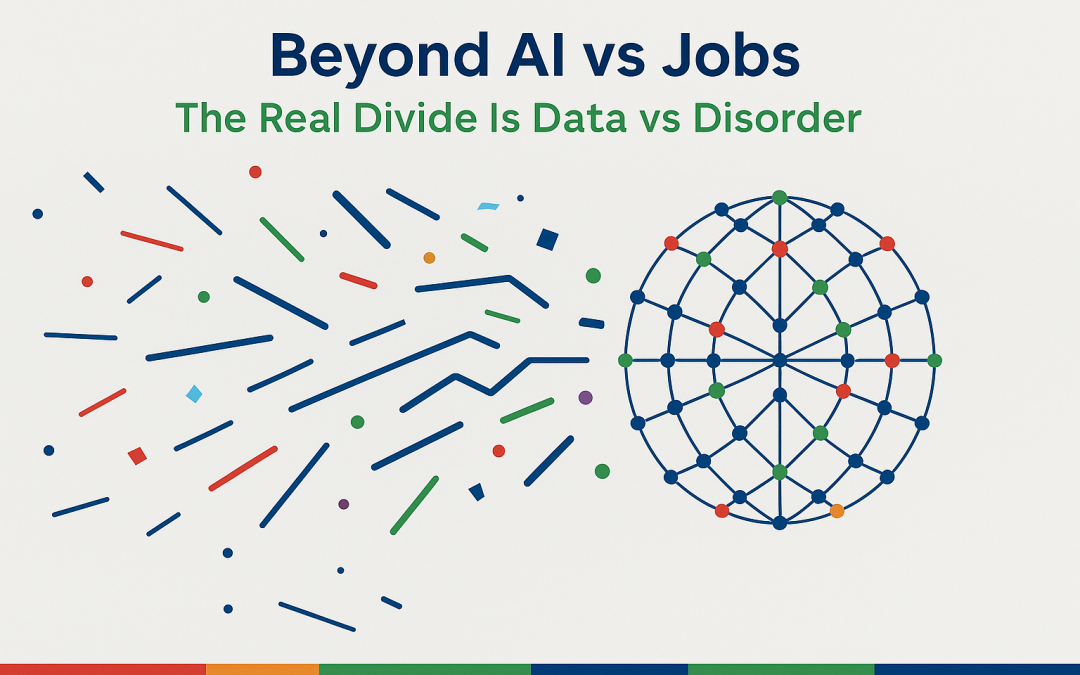
The Real Divide: Data vs Disorder

Beyond differences in geography, wealth and policy strength, global health systems are also divided by data maturity. Disorder produces blind spots, bias and missed opportunities. Order produces trust, safety and measurable progress.

Women’s health equity is impossible in a system built on partial data. But with trusted, connected and governed data, equity becomes:

  • Measurable
  • Actionable
  • Achievable

This is where Data Inc works, helping governments, health systems and organisations turn disorder into clarity, and clarity into outcomes that matter.

Ready to Transform Health Equity with Data?

Partner with Data Inc to build the trusted data foundations that support precision health, equitable care and insight-led transformation.

Care pathways will close equity gaps in women’s health only if the data behind them is sound.

Beyond AI vs Jobs — The Real Divide Is Data vs Disorder

Beyond AI vs Jobs — The Real Divide Is Data vs Disorder

Beyond AI vs Jobs: Why Data Capability Determines the Future of Work

The global debate on artificial intelligence often centres on one question: Will AI take our jobs?

It is an understandable concern. Automation is advancing fast, reshaping whole industries and redefining routine work. Yet beneath the headlines sits a more fundamental reality:
AI itself is not the decisive force; data capability is.

The impact of AI, good or bad, depends on the quality, accessibility and governance of the data beneath it. When data is fragmented or poorly governed, automation introduces volatility. When data is connected, trusted and well understood, AI becomes a strong driver of productivity, creativity and sustainable growth.

How well institutions organise and govern their data foundations will shape the future of work far more than algorithms replacing people.


AI’s opportunity emerges when data is trusted, governed and orchestrated at scale.

Reframing the Debate: From AI vs Jobs to Data Maturity

The popular “AI versus jobs” story frames transformation as a question of labour displacement. In practice, the dividing line runs through data maturity rather than through types of worker.

Experience across industry and government points to a consistent pattern. Organisations with strong data governance and interoperability see augmentation, with AI helping people work faster, better and with more confidence. Those without it see disruption, as automation tries to make up for fragmented, manual processes.

Where data is clean, contextual and shared, AI augments what people can do.

Where data stays in silos or is inconsistent, AI struggles to scale reliably.

The leaders in the AI economy will be defined less by the sophistication of their models than by the strength of their trusted data ecosystems.

Why Data Capability Shapes Workforce Outcomes

Many organisations treat AI mainly as a technology initiative, when in practice it is a wider shift in governance and operating model. Where data foundations are still evolving, a few predictable problems appear:

  • Model reliability: inconsistent datasets lower confidence in outputs and call for manual intervention.
  • Regulatory assurance: unclear lineage complicates auditability and compliance.
  • Adoption momentum: when figures change from one report to the next, staff stop trusting them and use slows.

In each case, the constraint lies in the maturity of the data environment behind AI.


When data is governed across its whole lifecycle, trust follows, and trust is what lets AI be used responsibly and productively.

Trusted Data as a Multiplier of Human Value

When data is unified, governed and auditable, AI becomes a powerful multiplier of human intelligence.

Rather than replacing people, it frees their time for judgement, creativity and higher-value decisions.

A risk analyst working from data with verified lineage spends less time reconciling inputs and more time on the exposure itself.

A sustainability leader using integrated ESG datasets can report with confidence rather than caveats.

A customer-experience team with trusted behavioural data can personalise engagement ethically and at scale.

Organisations can work towards these outcomes by orchestrating data across people, process and platform through the
Integrated Transformation Framework™.

AI amplifies what people can do when the data beneath it is consistent, contextual and complete.

From AI Ambition to Data Confidence

Many enterprises are investing heavily in AI, yet many still do not describe themselves as AI-mature. The reason is simple:
models are often pursued before data foundations are in place.

High-performing organisations reverse this order. They begin with common data models, shared taxonomies, defined stewardship and measurable governance, and then embed AI into workflows and decisions with confidence.

This move from AI ambition to data confidence tends to involve:

  • Assessing data readiness: knowing the lineage, ownership, quality and risk.
  • Defining enterprise ontology: agreeing shared definitions of customers, products, risks and controls.
  • Embedding governance: balancing agility with assurance.
  • Operationalising AI: building use cases with measurable ROI.

Across pricing, risk, ESG and operational platforms, this sequence moves AI from experimentation to scale.

Why Institutional Readiness Matters Most

One pattern stands out: institutional readiness, more than workforce readiness, is the limiting factor.

Employees are already adopting AI tools. What often lags is the operating model that integrates governance, insight and execution.

Closing that gap needs an enterprise approach that connects data, assurance and value, built on
data you can trust and outcomes you can evidence.

The Real Frontier: Data Capability at Scale

The next phase of economic transformation will be shaped by information, and information delivers value when it is governed, contextualised and shared.

The organisations that manage the data behind AI well will set its course.

When data capability is mature, AI can raise productivity and support sustainable growth.

This is where Data Inc focuses: helping enterprises turn trusted data into enterprise-wide AI, and AI into measurable value.


AI’s opportunity begins with data that is trusted, governed and orchestrated.

Ready to Build AI on Trusted Data?

Partner with Data Inc to orchestrate AI with confidence, in a way that is governed, measurable and human-centred.

AI delivers lasting value when data comes first.

Why Transformations Fail — And Why a Data-First Approach Is the Antidote

Why Transformations Fail — And Why a Data-First Approach Is the Antidote


Why Large-Scale Transformations Struggle to Sustain Value,
and How a Data-First Approach Changes the Outcome

Over the past ten years, organisations in every major sector have invested heavily in transformation. The work spans digital upgrades and customer experience redesign, as well as ESG reporting, risk fixes and operational resilience.

Many programmes make progress, yet the planned business outcomes are often hard to keep at scale. Common signs are longer timelines, rising costs, delivery fatigue and more regulatory scrutiny.

A Consistent Pattern Across Sectors

Across industries and geographies, a familiar pattern emerges.

Change is often run through parallel initiatives set up around internal functions rather than value for the whole enterprise. Customer, profit, ESG, risk and resilience programmes are often funded, governed and run on their own. Meanwhile, technology transformation moves ahead with no shared data foundation to link them.

Parts of the business make progress, but nothing turns all this work into lasting gains for the whole enterprise.

Why Fragmentation Limits Outcomes

When transformation is delivered in pieces, some foreseeable problems arise:

Customer services break down after platform upgrades.
Supply chains are exposed by cyber or resilience gaps that could have been closed.
ESG disclosures are reworked as data gaps come to light in audit.
Regulated institutions come under pressure where reporting lineage cannot be proven.

These outcomes are rarely caused by technology choices alone. They show that data, operating models, governance and accountability are out of step.

When data is disconnected, operating models grow apart and outcomes are tracked only after the fact. Then trust in the transformation fades, for leaders, regulators and investors alike.

The Underlying Constraint

At its core, the challenge is structural.

Transformation is often treated mainly as a technology initiative, with a focus on platforms, tools and delivery milestones. It is less often seen as a data-led alignment of people, process and technology around measurable enterprise value.

A Data-First Alternative

Data Inc takes a different approach.

We begin with a shared, governed data foundation. It aligns decisions, execution and assurance across the enterprise.

Our work brings together strengths that are often kept apart, spanning:

The Integrated Transformation Framework™

This approach is enabled by our
Integrated Transformation Framework™,
which helps organisations move past one-off upgrade initiatives and build a living transformation fabric.

In this fabric, insight flows across the enterprise, compliance and innovation support each other, and each choice rests on trusted data.

In practice, this means:

  • Transforming customer and business journeys through shared, governed data models.
  • Driving profit and sustainability through one shared backbone for analytics.
  • Building in resilience and cyber trust through linked, data-led control frameworks.

The aim is faster execution, more trust from regulators and clearer proof of the value that transformation investment has brought.

From Fragmentation to Enterprise Transformation

Running parallel programmes rarely produces sustainable transformation.

Sustainable value comes from working as one enterprise, with data as the layer that holds it all together.

Tier 1 organisations that work with Data Inc have seen:

  • Measurable outcomes — not just deliverables.
  • Transformation that extends beyond technology.
  • Data as the engine of sustained business value.

Ready to reframe how your organisation transforms?


Partner with Data Inc to make transformation measurable, governed and enduring.

Data-Led Transformation Is the Only Constant

Data-Led Transformation Is the Only Constant

A Converging Moment of Change for Enterprise Leaders

Across the UK and globally, organisations face several structural shifts at once: geopolitical realignment, shifting trade flows, demographic change, cost pressure and rapid advances in AI.

Together, these forces are changing how work is organised, where capability sits and how value is created. Many enterprises have paused hiring, rebalanced their workforce and reassessed operating models as they adapt.

The challenge is making sure that change is directed, deliberate and creates value.

The Question Now Central to Every Boardroom

In this environment, one strategic question increasingly anchors executive discussion:


“What is the workforce we need — in shape, scale and capability — to deliver our future objectives?”

This question has always mattered. What has changed is the pace and complexity of the world in which it must be answered.

Many organisations have tried restructuring, outsourcing, global capability centres and integrated business planning. These steps can make progress. Without one shared view of data and outcomes, though, they often struggle to sustain value or clarity.

The Enduring Principle That Delivers Results

Through decades of transformation and upheaval, one principle has held firm:


When people, process and technology are aligned through shared data and anchored to agreed outcomes, value follows.

This principle underpins how Data Inc works with clients.

Why Organisations Partner with Data Inc

Founded in 1979, Data Inc now works with Tier 1 enterprises to deliver measurable, data-led transformation.

Our
Integrated Transformation Framework™
helps organisations:

  • Bring clarity to complex settings through trusted data and shared insight
  • Align people, process and technology to strategic objectives
  • Design operating models that adapt as conditions change
  • Translate transformation activity into sustained enterprise value

Why This Moment Matters

Periods of uncertainty put a premium on decisions based on evidence.

Uncertainty makes it more important to see transformation through a
data-enabled lens
that connects strategy, execution and assurance.

Our Services

We support enterprises across the full transformation lifecycle through integrated services that cover:

From Cycles of Change to Sustained Value

Disconnected projects and repeated restructuring rarely produce sustainable transformation.

Sustainable value comes from aligning strategy, workforce and execution through data.

Organisations that work with Data Inc have seen:

  • Measurable outcomes — not just deliverables
  • Transformation that extends beyond technology
  • Data as the foundation of sustained business value

Ready to explore a more assured approach to transformation?


Partner with Data Inc to make transformation measurable and enduring.